Skip to content

Turtle Golf Headcover

Turtle Golf Headcover

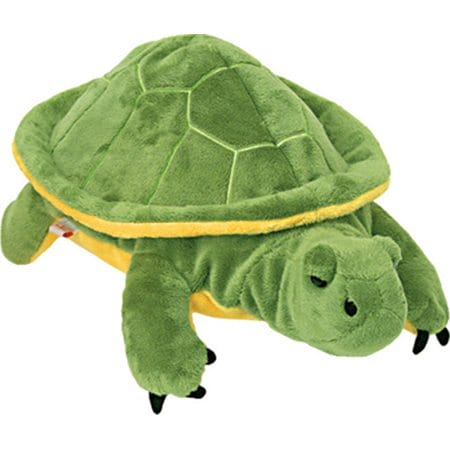
The turtle golf headcover by Daphne’s are the highest quality available. All the material is hand selected from the finest furs and museum quality eyes are used.

Got a golf buddy who just can’t seem to get in gear? Give them one of these fun headcovers to give them a hint they are too slow.

Did you know there are over 300 species of turtles? Turtles spend most of their lives in water. They are adapted for aquatic life, with webbed feet or flippers and a streamlined body. Sea turtles rarely leave the ocean, except to lay eggs in the sand. The Leatherback sea turtle is the largest of all turtles. It can grow to 7 feet long and weigh 1500 pounds according to the World Wildlife Federation (WWF). Leatherbacks have been seen feeding on jelly fish at 4,000 feet deep. Freshwater turtles live in ponds and lakes, and they climb out of the water onto logs or rocks to bask in the warm sun.Tortoises are land animals. Their feet are round and stumpy, adapted for walking on land. They also dig burrows with their strong forelimbs, and slip underground when the sun gets too hot.Terrapins live on land and in water, usually in swamps, ponds, lakes and rivers.

FREE SHIPPING ITEM

Fits drivers 460cc

Availability: Usually Ships in 2 to 3 Business Days

$45.99

In stock — ships fast
Get it May 5 — May 7
  • Premium materials — built to last round after round
  • Fits clubs up to 460cc drivers / standard putters
  • Free US shipping on orders over $75
  • 30-day no-hassle returns
- +
Ships in 3–5 business days
30-day no-hassle returns
Secure encrypted checkout
Need help picking the right cover? Real golfers in Florida — no chatbots. We typically reply within an hour.
Ask us

Turtle Golf Headcover

The turtle golf headcover by Daphne’s are the highest quality available. All the material is hand selected from the finest furs and museum quality eyes are used. The turtle golf headcover is an accurate likeness of these aquatic sea turtles.

Got a golf buddy who just can’t seem to get in gear? Give them one of these fun headcovers to give them a hint they are too slow.

Did you know there are over 300 species of turtles? Turtles spend most of their lives in water. They are adapted for aquatic life, with webbed feet or flippers and a streamlined body.

Sea turtles rarely leave the ocean, except to lay eggs in the sand. The Leatherback sea turtle is the largest of all turtles. It can grow to 7 feet long and weigh 1500 pounds according to the World Wildlife Federation (WWF). Leatherbacks have been seen feeding on jelly fish at 4,000 feet deep. Freshwater turtles live in ponds and lakes, and they climb out of the water onto logs or rocks to bask in the warm sun since they are cold blooded creatures.

Tortoises are land animals. Their feet are round and stumpy, adapted for walking on land. They also dig burrows with their strong forelimbs, and slip underground when the sun gets too hot.Terrapins live on land and in water, usually in swamps, ponds, lakes and rivers.

Most turtles that spend most of their lives on land have their eyes looking down at objects in front of them. Some aquatic turtles, such as snapping turtles and soft-shelled turtles, have eyes closer to the top of the head.

These species of turtles can hide from predators in shallow water, where they lie entirely submerged except for their eyes and nostrils. Near their eyes, sea turtles possess glands that produce salty tears that rid their body of excess salt taken in from the water they drink. This is the reason people think they are crying when they are on the beach laying their eggs.

FREE SHIPPING ITEM

Fits drivers 460cc

Availability: Usually Ships in 2 to 3 Business Days

Weight 0.5 lbs
Dimensions 12 × 4 × 4 in

Shipping & Returns

  • Free US shipping — on orders $75 or more.
  • Order processing — most orders ship within 1–2 business days.
  • Delivery — 3–5 business days within the contiguous US.
  • 30-day returns — unused items in original condition. We pay return shipping.
  • International — we ship to most countries; rates calculated at checkout.

Caring for your headcover

Each cover is built from premium materials selected for the best feel and durability on the course. A few simple habits keep them looking new:

  • Spot-clean with a damp cloth and mild soap. Air-dry — never tumble dry.
  • Avoid prolonged direct sunlight to keep colors crisp.
  • Store in a dry place; if your bag is wet, let the cover air-dry separately.
  • For knit covers: keep clear of velcro to avoid pulls.

Questions about a specific material? Reach out — a real person will reply within an hour.